jinda has taken strategic steps to ensure reliable raw materials and sustainable development to realize the recyling economic
_title.png)
_0.png)
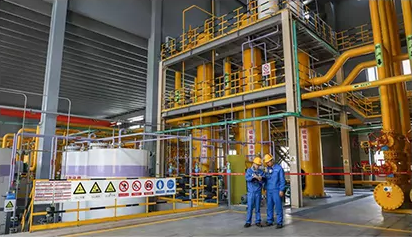
Chlorination Plant
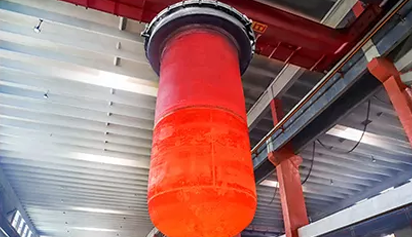
Titanium Sponge Plant
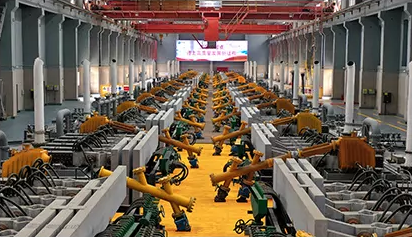
Electrolysis of MgCl₂
_title.png)
_bg.png)
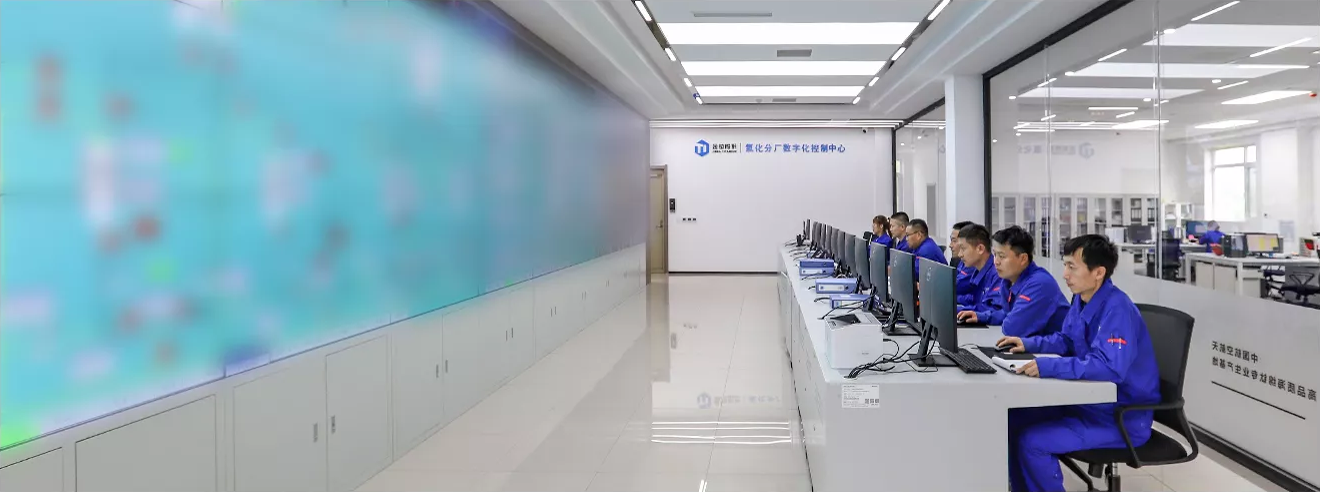
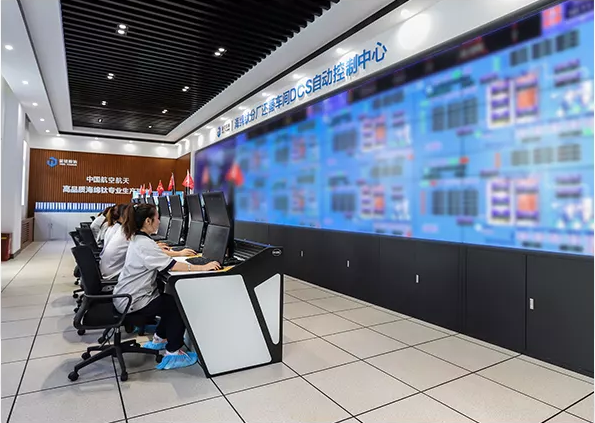
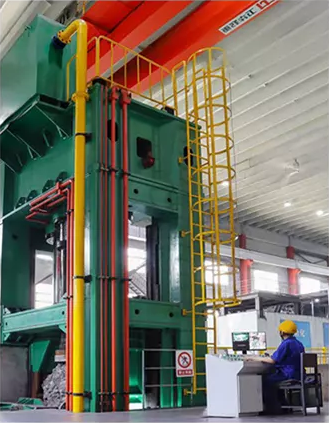
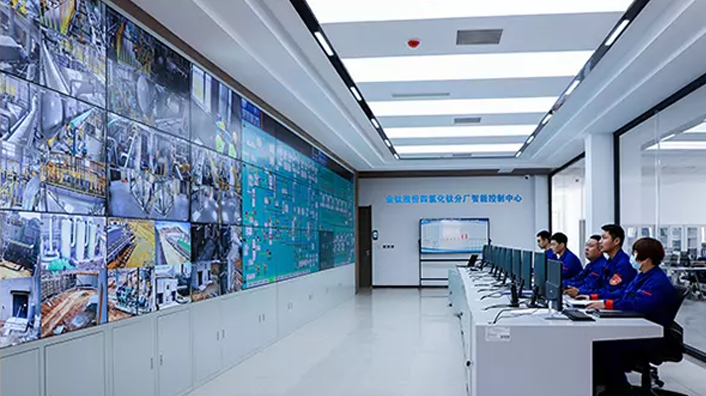
Jinda remains committed to elevate investments in automation and information technologies, with the ultimate goal of establishing a digital andintelligent factory.
Jinda integrates inteligent control systems across the entire production, featuring automated processes like the fu-automatic reduction &distilation workshop, the inteligent crushing workshop, and the high-quality raw material controlsystem. The integration resuits in the reaizationof an advanced technological platform for comprehensive production control throughout the entire process.
.webp)
_title.png)
Jinda remains dedicated to uphold the principles of quality and standardized management. Currently, Jinda has owned an array of certificationsincluding the quality management system, environmental management system, occupational health and safety management system, andaerospace quaity management system., The certifications underscore Jinda's unwavering commitment to maintain excellence across variousdomains of operation.
_1.png)
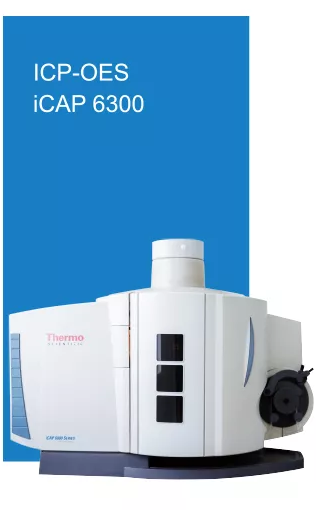
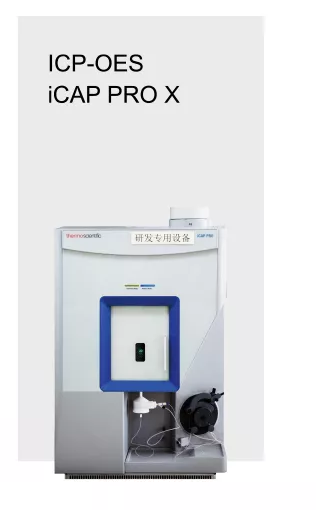
Jinda adheres to a comprehensive evaluation methodology and conducts regular on-site assessments of suppliers to meticulously oversea thesupply chain on an annual basis. This approach serves to continually enhance the quality control of key raw materials. Jinda has a seasoned ancidept quality inspection team, supported by over 20 state-of-the-art testing instruments within its laboratory. These instruments have top-tielquality and adhere to international standards
.png)
_1.png)
Enforce Rigorous Raw Material Acceptance Regulations
Maintain Precise Process Material Control
Assure Raw Material Traceability
Analyze the Production Process Capability for Titanium Sponge Production
Embrace Multiple inspection Approaches: Self-inspection & Mutual inspection & Special inspection.
Conduct Comprehensive Element Analysis in Batches to Monitor lmpurity Levels.
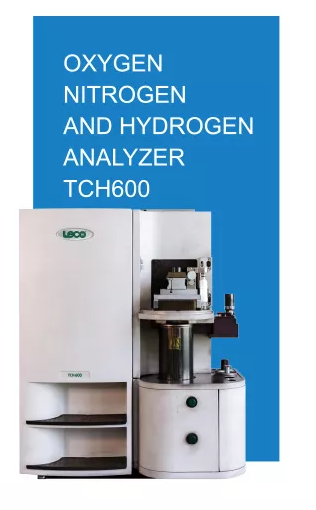
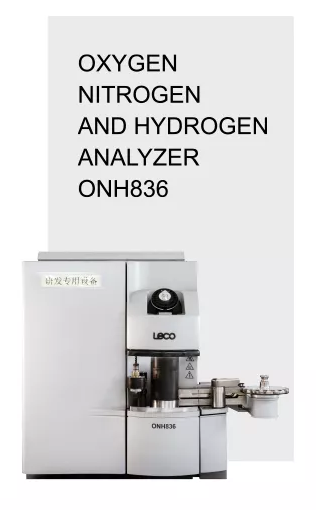
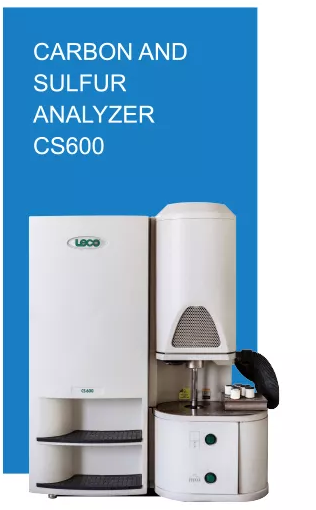
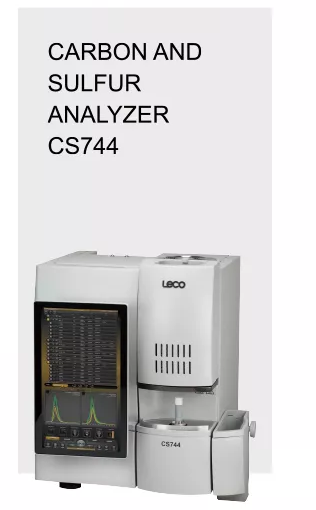
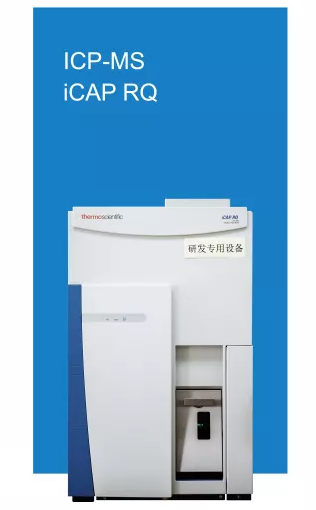
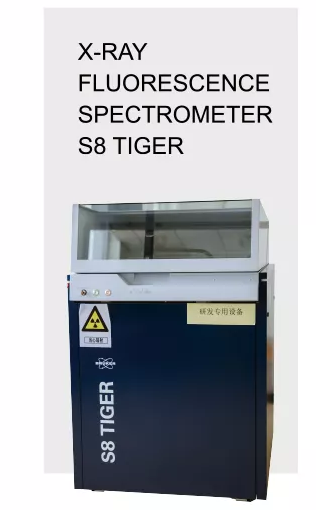
Jinda implements a comprehensive whole-process control strategy, spanning the pre-procedure, ongoing processes, and post-procedure phasesby implementing DCS and MES system whichi encompasses a routine evaluation of shift-team performance within workshops on a daily, weekly.and monthly basis.
.png)
_1.png)
_title.png)
1.Enterprise Resource Planning Syste
The ERP System enables a digital, paperless, and automated office environment for optimized resource utilization.
2.Internet of Things Data Collection System
The l0T Data Collection System improves accuracy and control in storage processes by collecting lT data, ensuring precise check-in and check-out procedures.
3.Distributed Control System
The Distributed Control System enables real-time recording of temperature, pressure, and feeding speed for a digital, inteligent production process with remote control and historical data analysis capabilities.
4.Management Platform
Utilizes 5G+ cloud-based big data analysis for centralized dynamic monitoring and digital management of operational equipment.
5.Automated Guided Vehicle
AGV Robots efficiently reduce turnover periods, minimizes raw material consumption, ,and facilitates flexible connections between materials ano production.
6.Automatic Feeding Project
The Automatic Feeding Project integrates with the DcS for automated weighing and feeding, ensuring precise feed amounts and product quality.
7.Automatic Cleaner for Titanium Cake
The outomotic cleaner eficiently removes moteriol from titaniym sponge cakes by streamlining cleaning proceses and could reduce manud labor requirements.
8.Manufacturing Execution System
The Manufacturing Execution System manages production plans, storage, quality, human resources, and procurement for comprehensive process management.